How to find a research gap
A gap in COMPASS is not “something no one has done”. It is a specific, countable absence: a place, a species, or a combination the literature has never covered. Here is how to find one.
A research gap isn’t just “something no one has done.” In COMPASS it’s a specific, countable absence: a place, a species, or a combination of factors the literature has never covered. Here’s how to find one.
1 · Read the blanks on the map
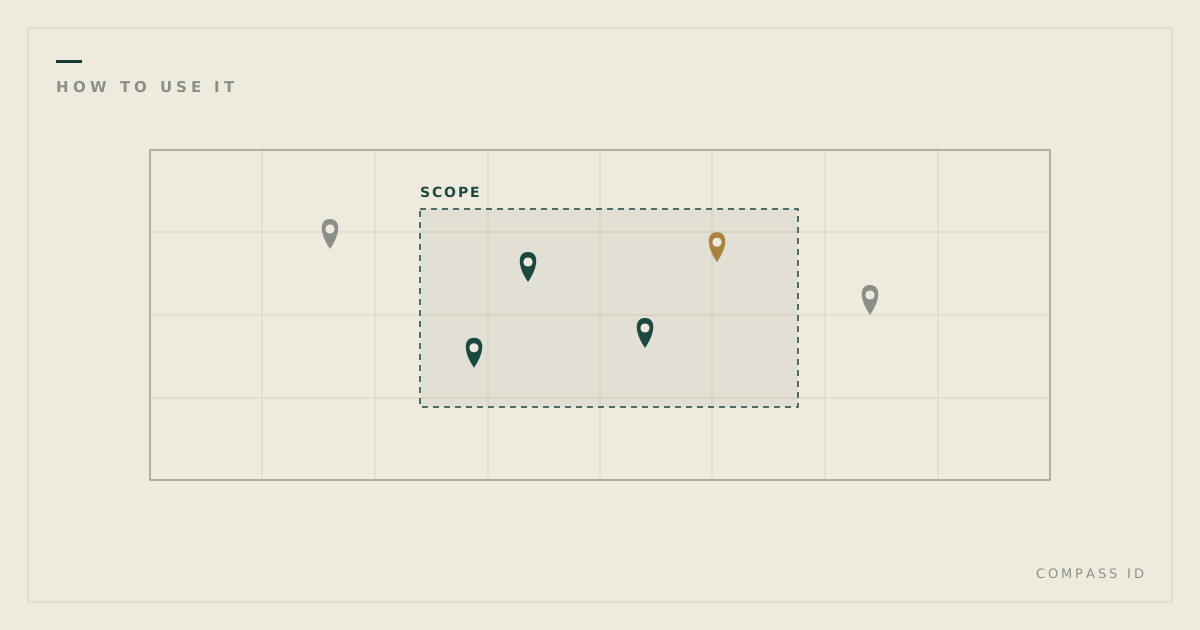
Open any atlas’s Map. Every pin is a geolocated study site, the place where fieldwork actually happened. The empty regions are the first kind of gap: places the science hasn’t reached. Because COMPASS geolocates study sites and not author affiliations, a blank isn’t an artifact of who published. It is a real hole in where the work was done.
2 · Cross two dimensions in the gap matrix
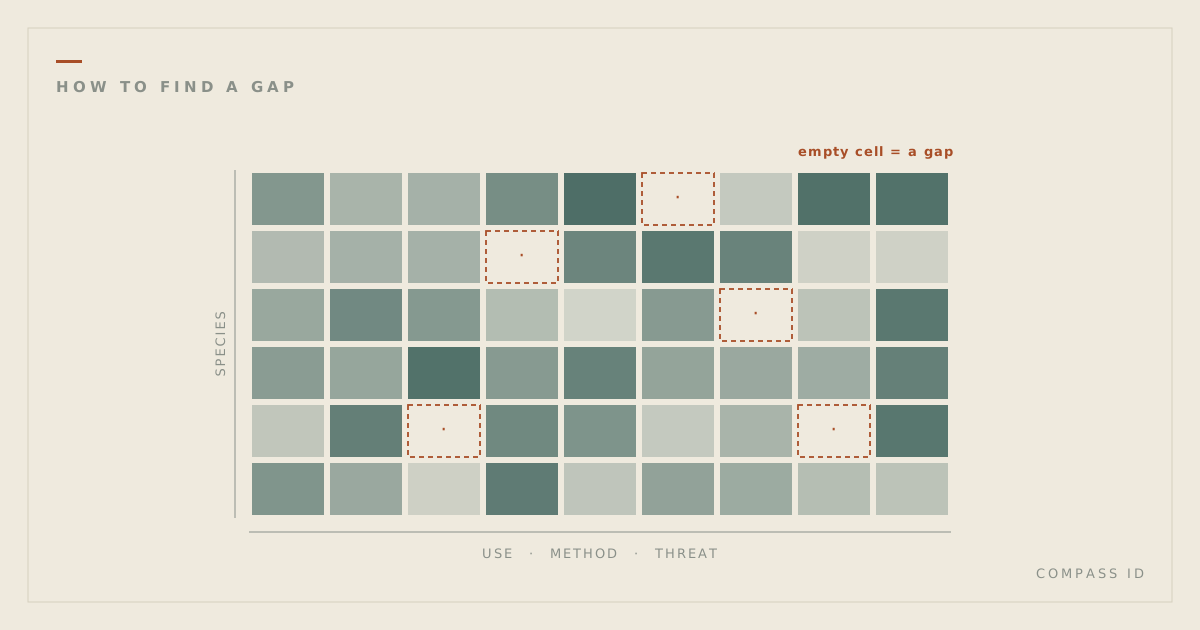
The Gap Matrix crosses any two tagged dimensions: species × use, region × method, threat × intervention. Each cell counts the papers covering that combination, so an empty cell is a gap: a pairing no study in the entire field has addressed. This is the most precise gap COMPASS surfaces: not “understudied,” but “never covered together in the indexed literature.”
3 · Sort by what’s thin, not what’s popular
The Gaps view ranks the under-studied edges of a field: the species with a handful of papers, the ecosystems barely touched, the methods rarely applied. Sorting by scarcity instead of citations inverts the usual view and shows you where attention hasn’t gone.
4 · Ask where the need is highest
The most valuable gaps sit where evidence is thin but the stakes are high. COMPASS repeatedly finds research anti-correlated with need, in that the rarest species and most degraded landscapes are the least studied. Overlay a scope’s coverage against a measure of need, such as extinction risk or degradation burden, and the priority gaps light up.
Every blank COMPASS shows is labelled honestly: “no indexed research,” never “no research exists.” A gap is a question worth funding, not a verdict.