Indexed research on the Apocynaceae, species by species
Our first family-scale evidence atlas reads the entire dogbane & milkweed family end to end, and finds drug-discovery research concentrated on a handful of species, while 63.5% of species have no indexed research at all.

Our first family-scale evidence atlas reads the entire dogbane & milkweed family, Apocynaceae, end to end. It finds drug-discovery research concentrated on a handful of species, over a family where most species have no indexed research at all.
What we found
- Drug-discovery research that rarely reaches the clinic. 5,505 in-vitro studies against 386 studies reporting human clinical evidence (trials, case series and poisoning reports); most of the pipeline stops before human studies.
- Research anti-correlated with extinction risk. The rarest, most threatened species are the least examined; attention flows to the already-studied.
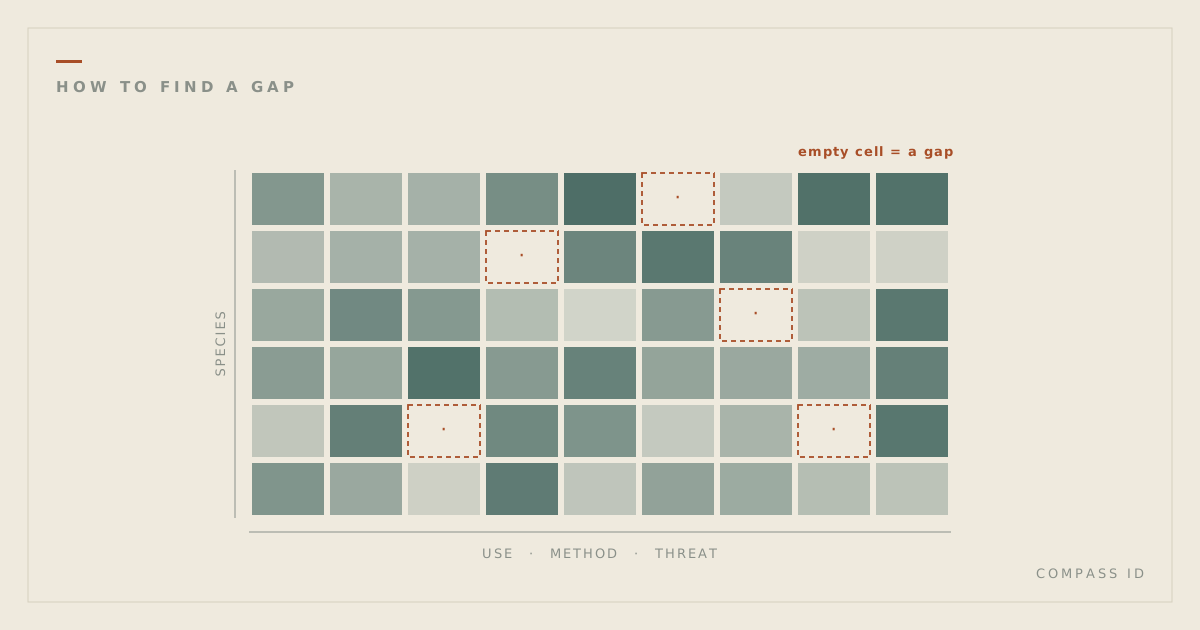
- 63.5% of species have no indexed research. Of the family’s species census, the species accepted in Version 16 of Kew’s World Checklist of Vascular Plants, 4,292 of 6,759 species, 63.5%, return no indexed research at all: not “no research exists,” but a measured blank in the global record.
Why it matters
Apocynaceae is a pharmacopoeia, the source of the vinca alkaloids and countless drug leads. A portfolio this concentrated means the next medicine is statistically likelier to sit in a species with no indexed research than in the dozen we keep returning to. The atlas turns that from an anecdote into a map.
How we built it
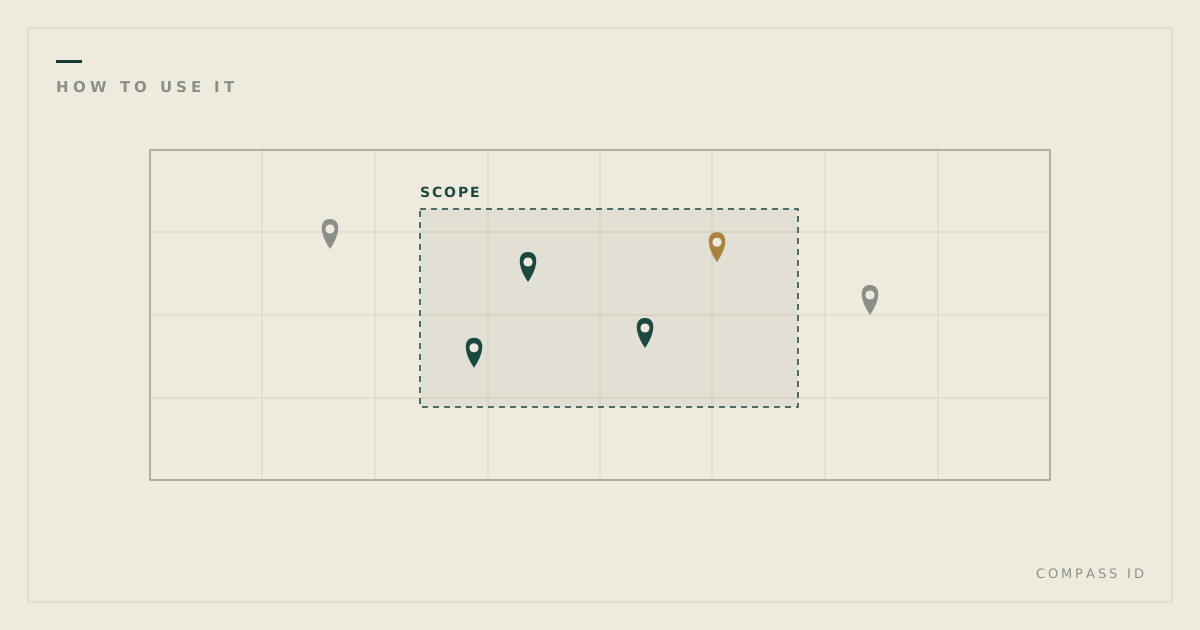
COMPASS harvested the family’s indexed literature, AI-tagged every study across dozens of structured dimensions, with each tag grounded in the paper’s own text and confirmed by a second AI model where that model returned a verdict (99.6 percent of flora tags), and geolocated the study sites, where the science was actually done rather than where its authors sit. Accuracy is measured against a model-built reference set, not asserted; a human-annotated set is planned, and every blank on the map is labelled “no indexed research,” never “never studied.”
Figures updated 3 October 2026 to the Kew WCVP Version 16 census (6,759 accepted species, 4,292 with no indexed research); see the atlas revision note.